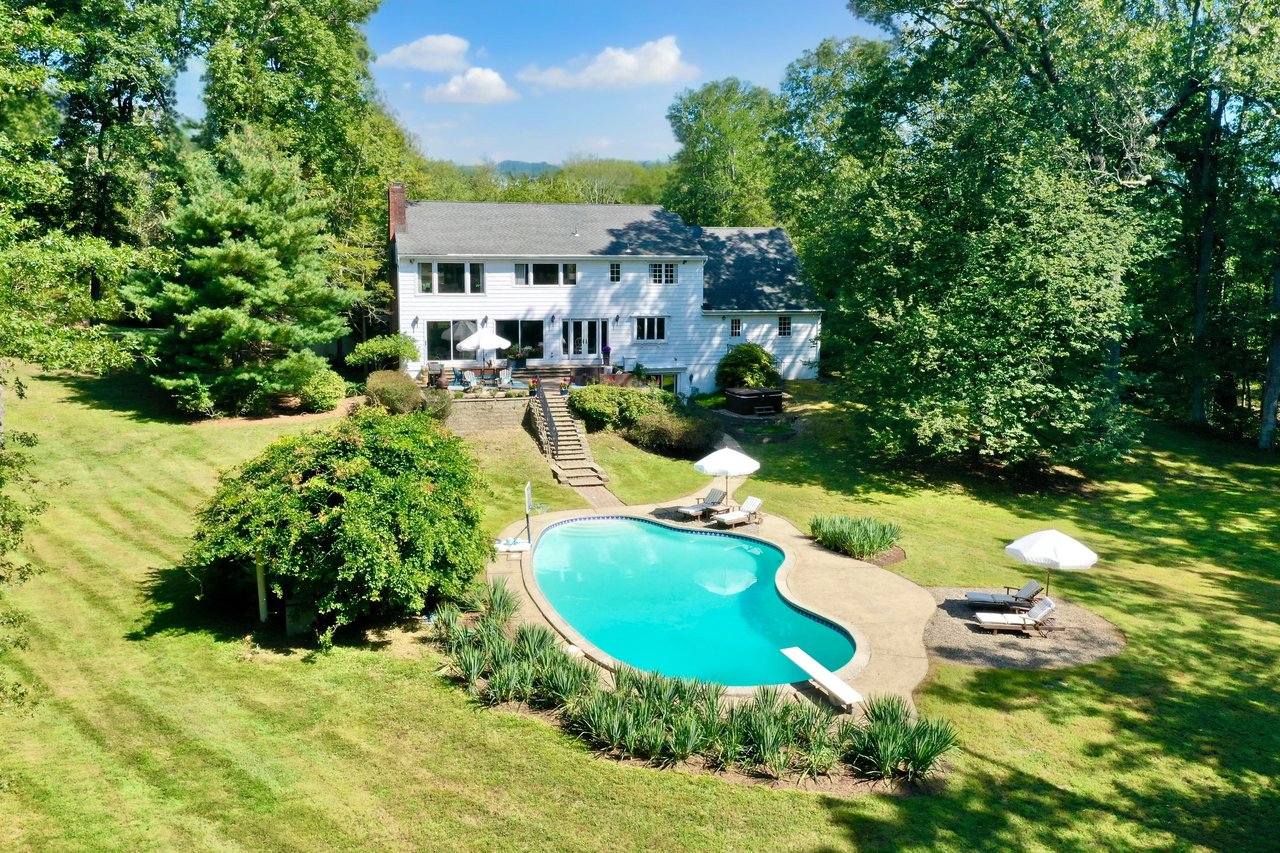
A pool can be one of the best parts of a Somerset Hills summer. It can also be one of the hardest features to evaluate if you are buying in late fall or winter, when the water is covered, the equipment is shut down, and the patio is dusted with leaves.
None of that should scare you off. It simply means doing a little more homework than you would in July.
What a Closed Pool Can Hide
Once a pool is winterized, much of what a buyer would normally check is out of view or out of service. The pump, filter, and heater usually aren't running. The interior finish and tile line may be under a cover and murky water. Plumbing lines may have been blown out and plugged for the season.
A general home inspector may note the pool's presence and visible condition but decline to evaluate systems that can't be operated. That isn't a red flag. It is just the reality of the season.
Records Worth Requesting
The best substitute for seeing a pool in action is a good paper trail. Through your agent, consider asking the seller for:
- Service history. Invoices or notes from the company that opens and closes the pool each year, including any repairs.
- Equipment ages. Approximate installation dates for the pump, filter, heater, and any automation or safety cover.
- Finish history. When the interior surface was last resurfaced or relined, if ever.
- Recent issues. Any leaks, unusual water loss, or repairs in the last few seasons.
Sometimes the most useful conversation is with the pool company itself. With the seller's permission, a quick call can tell you a lot about how the pool closed this year.
Permits and Safety
In New Jersey, pools capable of holding more than 24 inches of water are regulated under the state's Uniform Construction Code, which covers barriers and electrical work as well as the pool itself. That makes it worth asking the town's construction office whether the pool, its fencing, and any heater or electrical work were permitted and given final approval.
Safety barriers deserve a close look regardless of the season. The U.S. Consumer Product Safety Commission publishes guidelines for residential pool barriers, including fence height, gate latches, and alarms on doors that lead to the pool area. If you have young children or grandchildren who visit, those details matter more than the shape of the pool.
Bringing in a Specialist
Many buyers add a pool specialist to their inspection team. Even in winter, a specialist can often look at the coping, decking, visible plumbing, equipment pad, and cover, and give you a sense of what might need attention in the spring.
Ask in advance what they can and can't evaluate while the pool is closed, so their report sets realistic expectations.
Planning for Spring
When some questions can't be answered until the pool opens, buyers and sellers sometimes negotiate for that uncertainty. Depending on the situation, that might mean a credit, a repair agreement, or other arrangements tied to the spring opening.
How these are structured, and whether they are possible at all, depends on your contract, your attorney's advice, and your lender's rules. Bring it up early so there is time to work through the options during attorney review.
Budgeting Honestly
Finally, think about the ongoing commitment. Annual opening and closing, chemicals, electricity, heating if the pool is heated, and periodic repairs are all part of owning a pool. It is also worth a call to your insurance agent before you buy.
The Takeaway
Buying a home with a pool in the off-season is very doable. Ask for the records, check the permits, look closely at safety, and plan for what you can't see yet. Then, come Memorial Day, you can simply enjoy it.
Looking at homes with a pool in the Somerset Hills? Call Fahey Realtors at 908.204.0600 or visit us at 61 Claremont Road in Bernardsville. We know which questions to ask, in every season.