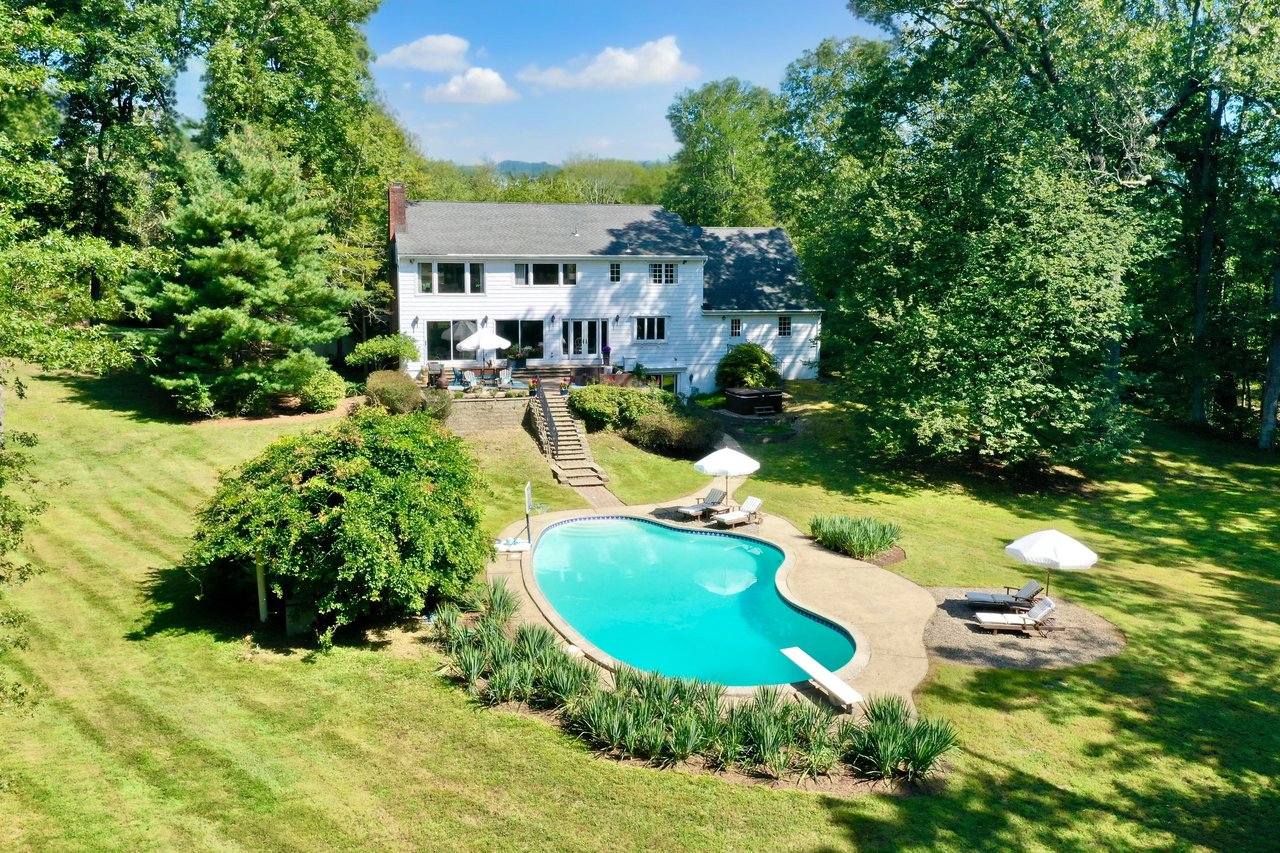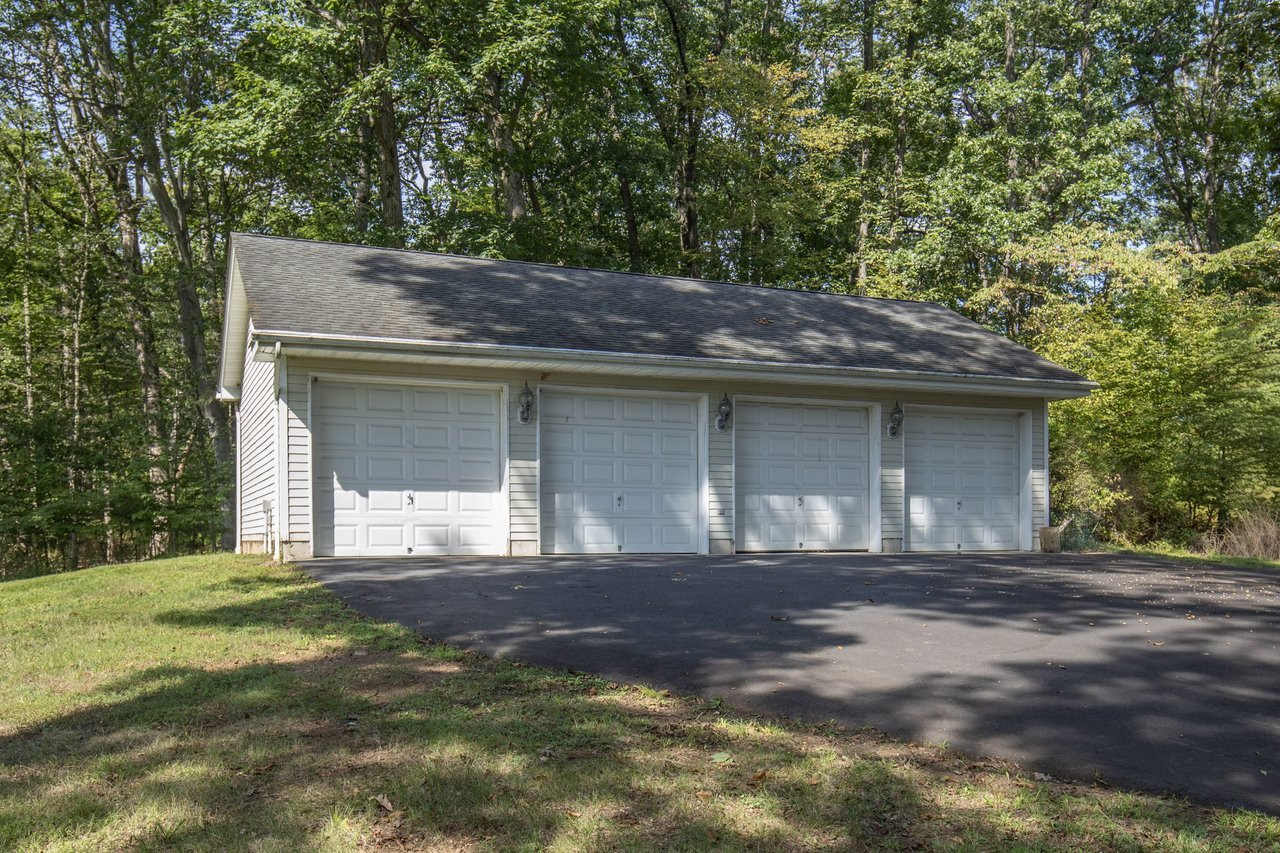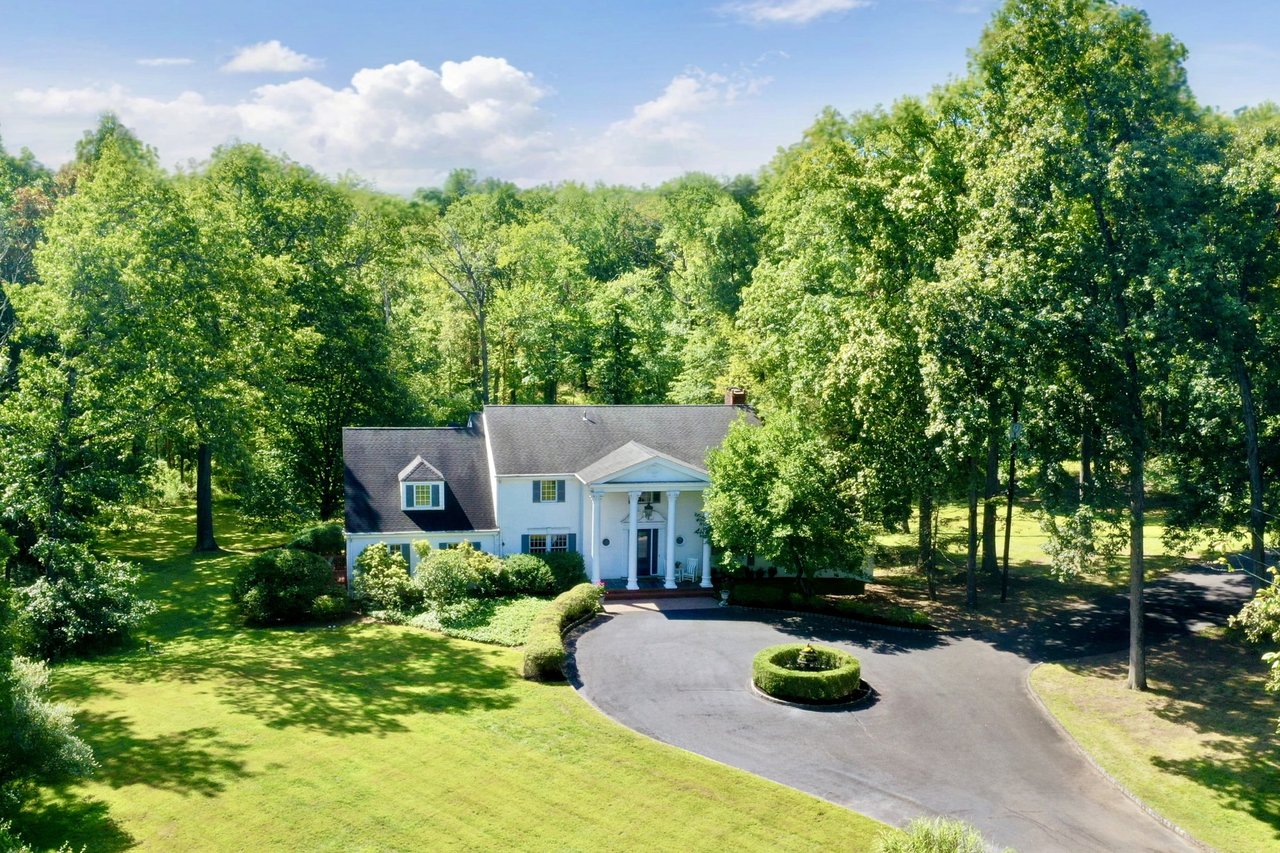
Many older homes in the Somerset Hills were heated with oil at some point in their lives. Some still are. Others switched to natural gas or propane years ago, and the old tank may or may not still be on the property.
Either way, heating oil tanks come up often in New Jersey home sales. Here is a calm, practical overview of how they are typically handled.
Two Kinds of Tanks
Aboveground tanks usually sit in a basement or garage, or sometimes outside against the house. You can see them, inspect their condition, and check the lines that feed the boiler or furnace.
Underground storage tanks, often called USTs, are buried in the yard. They are harder to evaluate because you can't see the tank itself. Telltale signs include a fill pipe or vent pipe sticking up near the foundation, or capped oil lines in the basement that don't lead anywhere obvious.
What the State Requires
The New Jersey Department of Environmental Protection (NJDEP) treats residential heating oil tanks, of any size, as "unregulated heating oil tanks." In plain terms, the state does not regulate how you operate a residential tank, and if there is no indication of a leak, there is no state requirement to remove it.
NJDEP does become involved when a discharge is discovered. At that point, a call to the NJDEP hotline (1-877-WARNDEP) is required, and the cleanup must be handled through the state's process for these tanks, using a qualified environmental professional.
Only NJDEP-certified individuals and firms can perform services such as closure and subsurface evaluation on underground heating oil tanks. Tank removals also fall under the state's Uniform Construction Code, and permits are typically issued by your town.
Why Buyers and Lenders Ask
Even though removal isn't required by the state, NJDEP itself notes that it is common for real estate professionals to recommend removing a tank before a sale. State code guidance also observes that many removals of previously abandoned tanks are driven by insurance and mortgage companies that don't want the liability.
In practice, that means a buried tank can affect a buyer's financing, insurance, and comfort level, even if it has never caused a problem.
If You Are Selling
If your home has, or once had, an underground tank, a little preparation goes a long way:
- Gather your records. Look for removal permits, closure reports, soil sampling results, and any correspondence with NJDEP. If you aren't sure what exists, your town's construction office can search its files, often through an Open Public Records Act request.
- Talk with your attorney early. Whether to remove a tank before listing, and how to describe it in your disclosure, are decisions to make with legal advice.
- Get more than one quote. NJDEP recommends contacting several certified contractors and comparing what each quote covers.
If You Are Buying
Ask the seller directly about current and past heating fuel and any tank removals. If the home was built before natural gas was available on the street, it is reasonable to ask whether oil was ever used.
Many buyers add a tank sweep to their inspections. This is a scan of the yard for buried metal that may indicate an underground tank. If a tank is found, your attorney can help you address responsibility, timing, and documentation in the contract.
When a Tank Is Removed
A typical removal involves a certified contractor, a municipal permit and inspection, and observation of the soil around the tank. If no discharge is found, the paperwork from the removal becomes an important record for future buyers. If a discharge is found, the remediation process begins, and timelines can extend.
NJDEP publishes a homeowner's guide to this process, along with a cost guide that can help set expectations. Prices are set by contractors, not the state.
The Takeaway
Heating oil tanks are a familiar part of buying and selling older homes in New Jersey. With good records, the right professionals, and early conversations, they rarely have to derail a sale.
Buying or selling an older home in Bernardsville, Basking Ridge, Bedminster, Far Hills, Peapack-Gladstone, Mendham, Harding, or nearby? Call Fahey Realtors at 908.204.0600 or visit us at 61 Claremont Road in Bernardsville. We are glad to walk you through the process.