Flooding isn't only a shore issue. Inland homes near streams and rivers, and homes in low spots, can be affected too. In 2023, New Jersey adopted a law (P.L. 2023, c. 93) that requires sellers and many landlords to share specific flood risk information. For sales, it applies to transactions on or after March 20, 2024.
Here is what the law asks of sellers, and how buyers can put the information to use.
What Sellers Must Disclose
Every seller of real property in New Jersey, residential or not, must complete the Flood Risk Addendum on the state's Seller's Property Condition Disclosure Statement. According to the Division of Consumer Affairs instructions, this section is mandatory even for a seller who does not complete the rest of the form, and it must be provided before the buyer becomes obligated under a purchase contract.
The flood questions ask, among other things:
- Whether any part of the property is in FEMA's Special Flood Hazard Area (the "100-year floodplain") or a Moderate Risk Flood Hazard Area (the "500-year floodplain") on current flood insurance rate maps
- Whether the property is subject to a federal requirement to carry flood insurance
- Whether the seller, or any previous owner they know of, received federal disaster assistance for flood damage
- Whether there is flood insurance on the property
- Whether a FEMA elevation certificate is available, and if so, it must be shared with the buyer
- Whether any flood insurance claims have been filed, and the amount received on approved claims
- Whether the property has experienced flood damage, water seepage, or pooled water from a natural flood event, and how many times
Sellers answer yes, no, or unknown, and any "yes" requires an explanation.
How Sellers Answer the Map Questions
The two floodplain questions must be verified, not guessed. The New Jersey Department of Environmental Protection offers a free look-up tool at flooddisclosure.nj.gov, searchable by address, for checking whether a property falls in a FEMA Special or Moderate flood hazard area. The history questions are answered based on the seller's actual knowledge.
For sellers, a few practical steps help:
- Look up your address early, before listing, so there are no surprises.
- Gather any elevation certificate, flood insurance declarations, and records of past claims or repairs.
- Be candid about water you have actually experienced, including seepage or pooling after heavy rain. When in doubt, talk with your attorney about how to answer.
How Buyers Can Use It
The disclosure is a starting point, not the whole picture. Buyers can:
- Read the addendum closely, especially any "yes" answers and explanations.
- Run the address yourself on the DEP tool and review the surrounding area.
- Ask about insurance early. The state form notes that a standard homeowners policy typically does not cover flood damage. If the home is in a Special Flood Hazard Area and you are financing through a federally regulated or insured lender, flood insurance will be required. Even where it isn't, FEMA encourages owners in all zones to consider it.
- Ask for the elevation certificate if one exists, since it can help an insurer evaluate the property.
- Use your inspection. Inspectors look for signs of past water in basements and crawl spaces, and grading and gutters matter as much as maps.
Renters and Landlords
The same law requires many landlords to give tenants a flood risk notice, and it gives tenants certain remedies if a required disclosure isn't made. If you own a rental property, ask your attorney which requirements apply to you.
A Note for the Somerset Hills
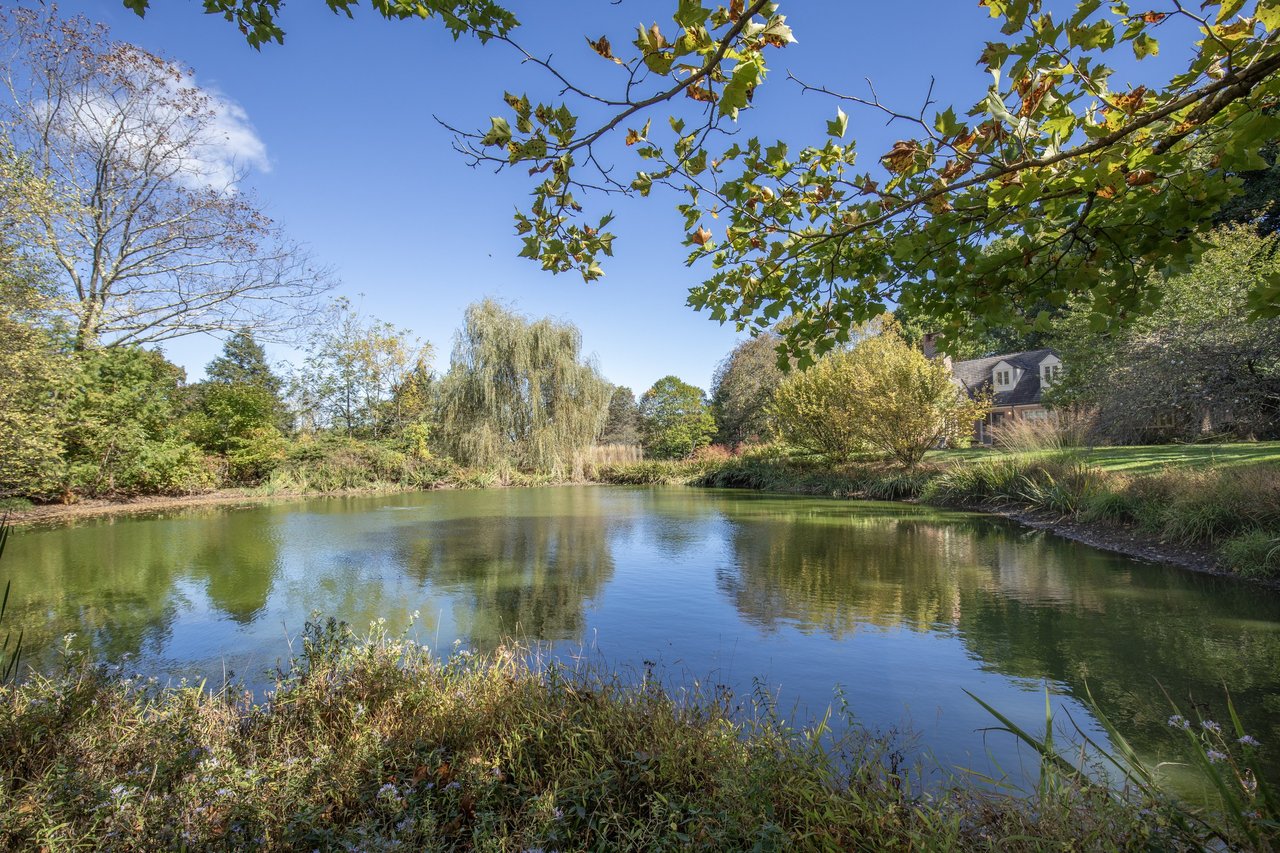
Most homes here sit well away from the coast, but our area is laced with brooks and rivers, and a single property can include both high ground and a low corner. That is exactly why the address look-up and an honest history matter.
The Takeaway
The flood disclosure law gives buyers clearer information and gives sellers a clear checklist. Look up the property, gather the records, answer carefully, and ask questions early.
Buying or selling and want help reading a disclosure? Call Fahey Realtors at 908.204.0600 or visit us at 61 Claremont Road in Bernardsville. We will walk through it with you and your attorney.