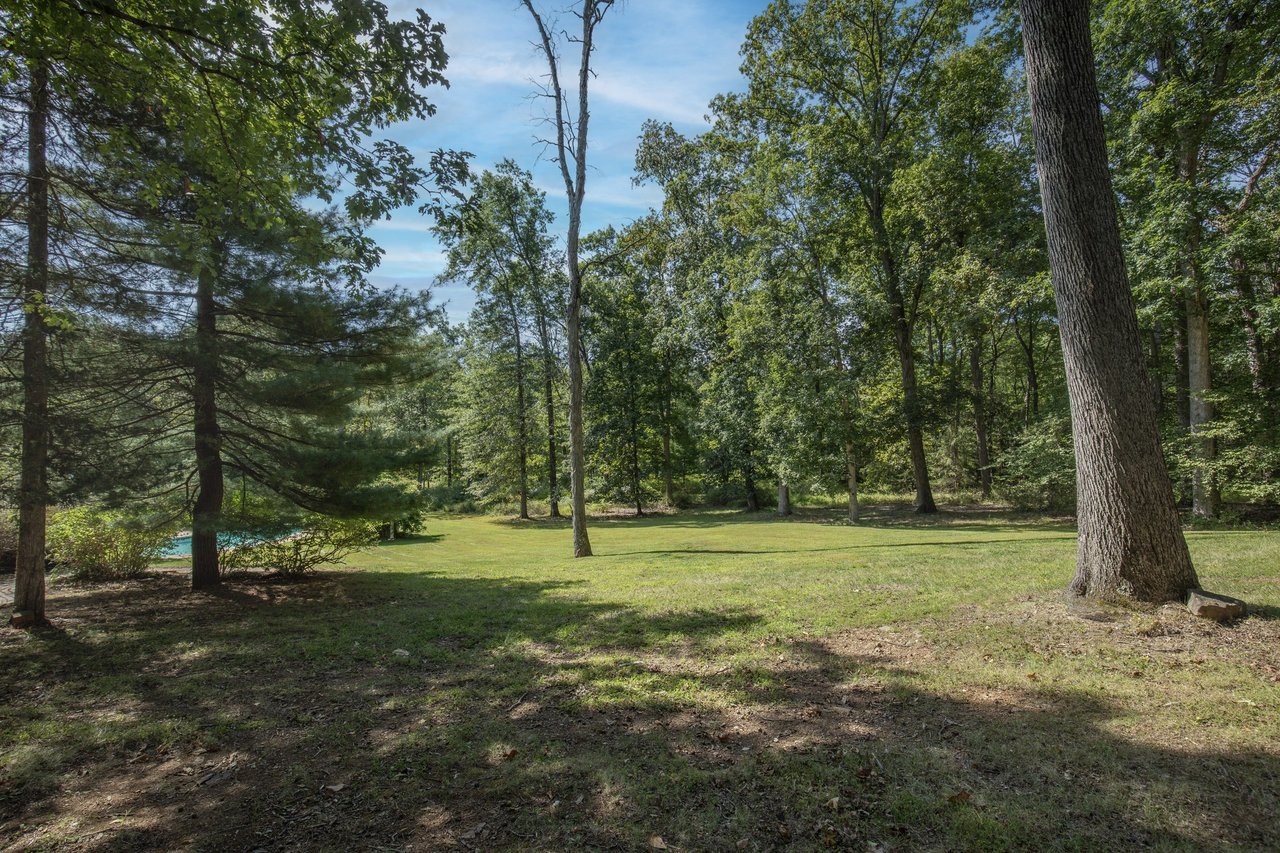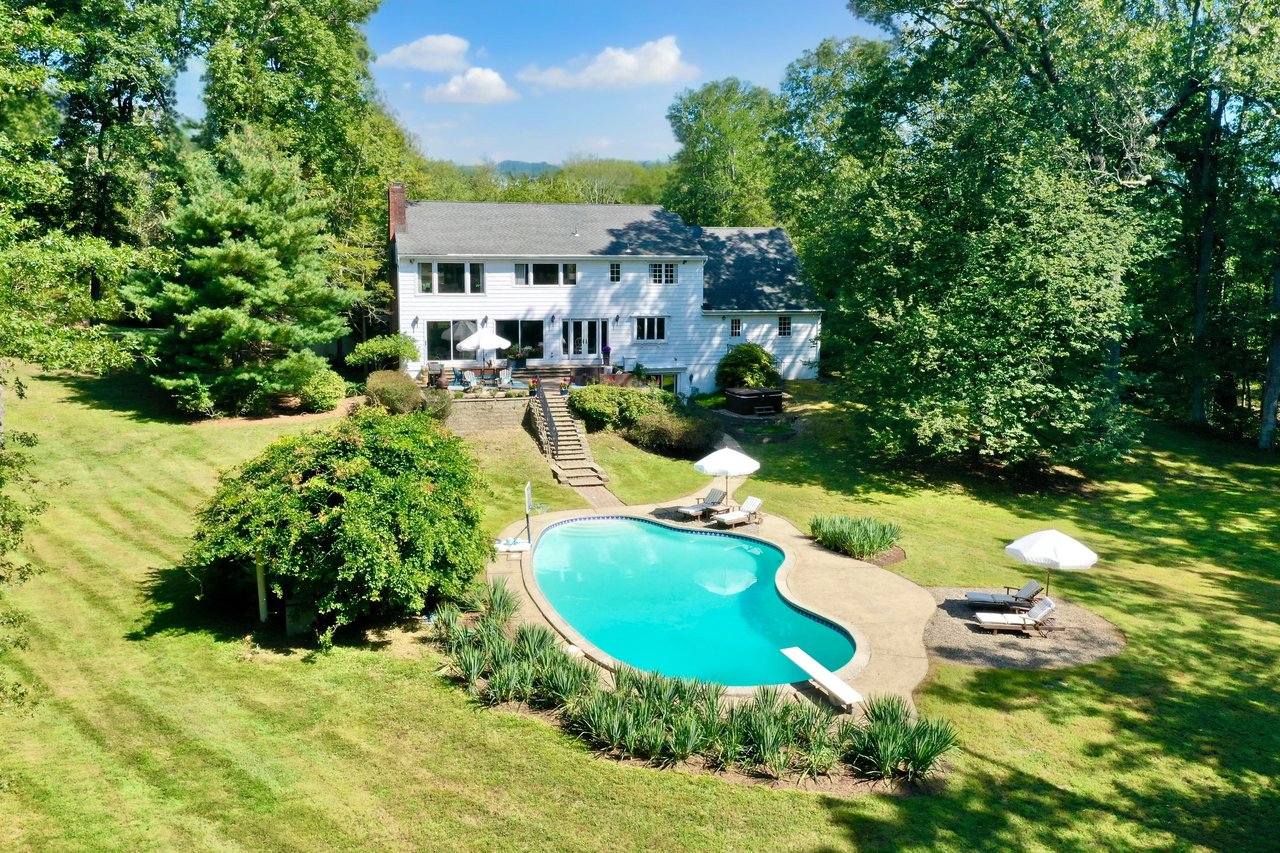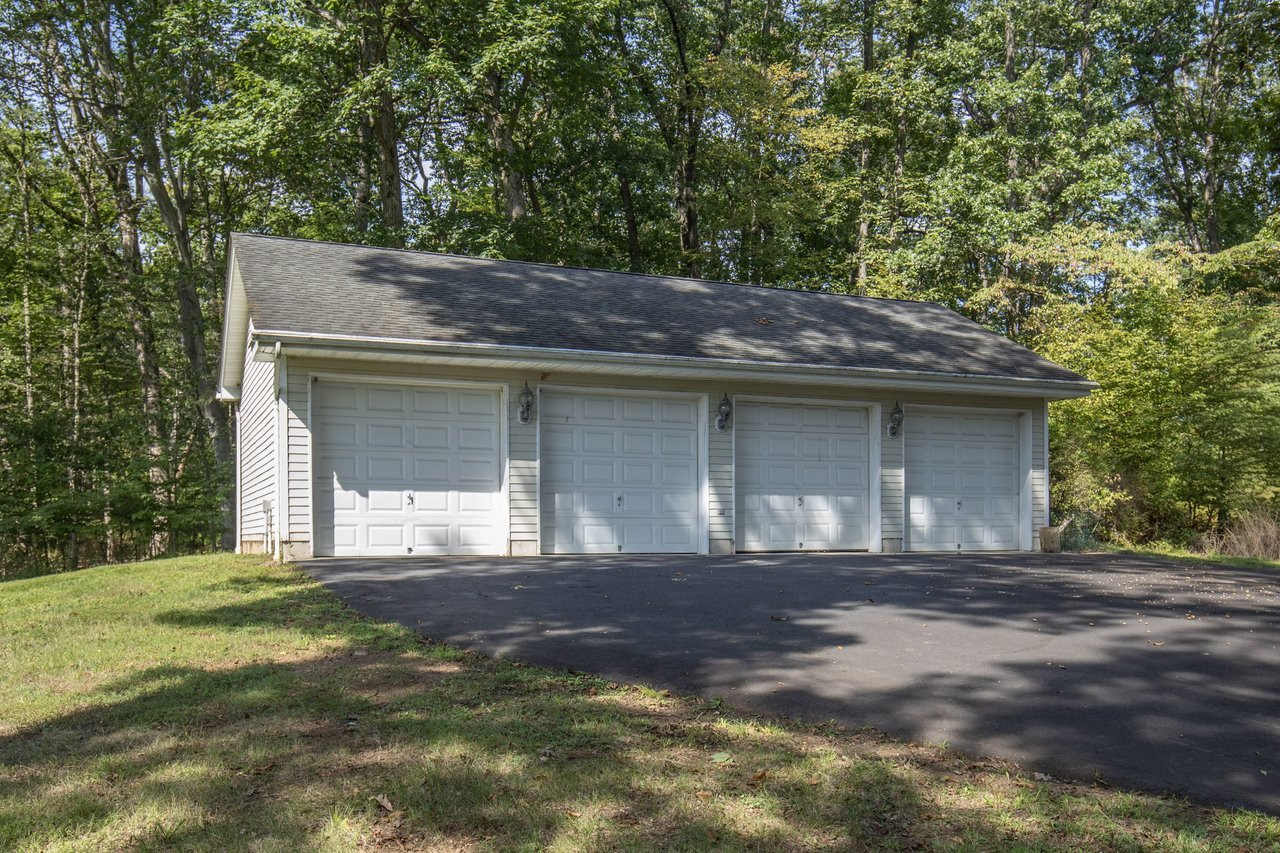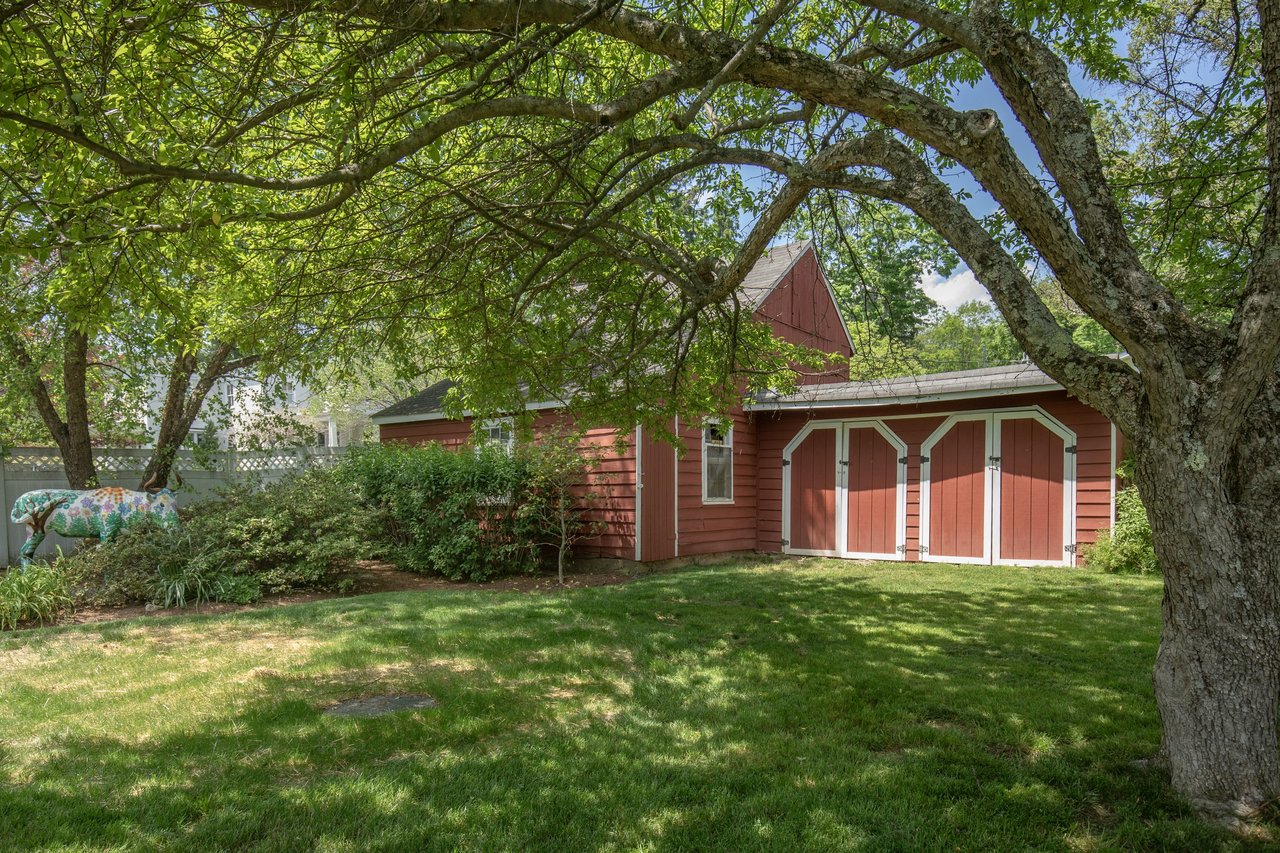
In much of the Somerset Hills, the water comes from a well on the property and the wastewater goes to a septic system in the yard. For people moving from a town with public water and sewer, that can feel like a big unknown. It doesn't need to be. Well and septic systems are a normal part of life in places like Chester Township, Mendham Township, Bedminster, and the hills around Bernardsville. With the right testing and a little upkeep, they serve households well for decades.
Here is what buyers and sellers should understand before and during a sale.
The Private Well Testing Act: What New Jersey Requires
New Jersey has a law that specifically covers well water at the time of sale. Under the Private Well Testing Act (PWTA), in effect since September 2002, the sale of a property whose drinking water comes from a private well must include water testing.
According to the New Jersey Department of Environmental Protection (NJDEP):
- Every contract of sale for a covered property must include a provision requiring the testing as a condition of the sale.
- The untreated well water is tested for a list of up to 43 parameters. These include bacteria such as coliform and E. coli, nitrates, lead, arsenic, volatile organic compounds, and certain PFAS compounds. Some additional tests apply only in certain counties.
- Testing must be done by a laboratory certified by NJDEP for those tests, and samples must be collected by the lab or its authorized representative.
- Closing cannot occur until both buyer and seller have received and reviewed the results and signed a certification saying so.
The law is about information. It does not set a pass/fail grade for the sale. What it does is put both parties on equal footing before closing, so any issues can be discussed and handled under the contract.
What the Results Can Mean
Because the PWTA looks at untreated water, results can show something a home's filtration system is already handling. That's useful to know. A treatment system that works today still needs maintenance tomorrow.
If a result comes back above a standard, it usually leads to a conversation, not a crisis. Depending on the issue, options might include treatment equipment, disinfection and retesting, or a credit negotiated through the attorneys. A water treatment professional can explain what a specific result means.
Beyond the required panel, many buyers also ask about well yield (how much water the well produces), the condition of the well cap, the pressure tank, and the pump. Those are not part of the PWTA test, so ask your inspector what they will evaluate.
Septic Systems: Inspections Are Common, Not Mandated
Septic works differently. New Jersey does not require a septic inspection every time a home is sold. However, NJDEP's rules for individual subsurface sewage disposal systems (N.J.A.C. 7:9A) set a state protocol for inspections done during a property transfer. Buyers and lenders often request one, and many buyers make it part of their inspection period.
A few points from NJDEP's guidance are worth knowing:
- Cesspools must be replaced at the time of transfer, with limited exceptions.
- If an inspection finds signs that a system is malfunctioning, that must be reported to the local health department.
- An older system that doesn't meet today's design standards is not automatically required to be upgraded just because the home is being sold. Other findings are worked out between buyer and seller.
Local health departments can have their own requirements, so it's worth asking the town as well.
For Buyers: How to Prepare
- Plan your inspection window carefully. Well testing and septic inspections take scheduling time. Book them as soon as attorney review concludes.
- Ask for records. Pumping receipts, repair invoices, and any treatment system service history tell you how the systems have been cared for.
- Locate everything. Know where the tank, distribution box, and field are. You don't want to plan a patio, pool, or addition on top of them.
- Budget for upkeep. Periodic pumping and treatment system service are part of owning a well-and-septic home.
For Sellers: How to Get Ahead of It
- Gather paperwork early. Records answer questions before buyers have to ask them.
- Know your system. Have the septic location mapped if you're not sure where it is.
- Ask before you pump. Some inspection methods work best when the tank hasn't just been pumped. Check with the likely inspector first.
- Consider testing early. Some sellers test the well before listing so there are no surprises later. Your attorney can advise on timing and disclosure.
The Takeaway
A private well and septic system are not reasons to pass on a beautiful property. They are systems to understand, test, and maintain, like a roof or a furnace. In New Jersey, the well side of that process is built into every sale by law. The septic side is up to you, so make it part of your plan.
Buying or selling a home with a well or septic system in Bernardsville, Bedminster, Far Hills, Peapack-Gladstone, Mendham, Chester, or nearby? Call Fahey Realtors at 908.204.0600 or visit us at 61 Claremont Road in Bernardsville. We are glad to walk you through the process.